 General testing guide
Tacrolimus Assay
Tacrolimus Assay is a laboratory test that measures a result in a Blood (EDTA) sample. It may be ordered to investigate symptoms, support a diagnosis or monitor a condition, depending on your clinician's advice.
Tacrolimus Assay Test Info & Procedure
Group NameWellness
FastingFasting not required
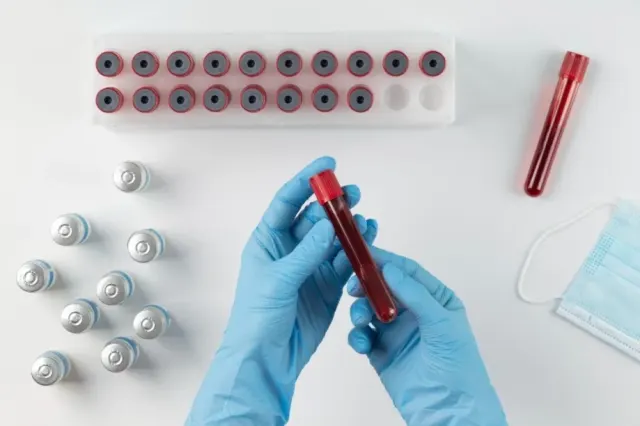
Sample TypeBlood (EDTA)
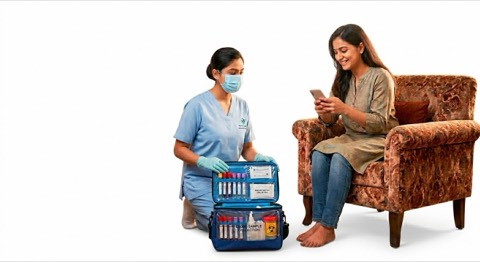
Sample CollectionHome sample collection
ReportsMost reports: 24–48 hours after the sample reaches the lab; timing varies by test.
Report typeDigital report
Tacrolimus Assay Test Visual Guide
Measures tacrolimus in whole blood so the treating team can monitor drug exposure.
ResultUse the booked assay’s report
SampleEDTA whole blood
Typical result context
| Result context | Guide |
|---|---|
| Interpretation | The target depends on transplant type, time since transplant and the treatment protocol. A level taken after a dose cannot be read as a trough; never adjust the dose yourself. |
Educational information. Read the sources and reference guide below; no provider-specific cutoff is assumed.
Simple Testing Flow
- BookSelect this test online
- Home VisitCollection executive arrives
- SampleSample collected as instructed
- Lab ReportProcessed and shared digitally
Before collection
- Arrange collection immediately before the next scheduled dose if a trough is requested. Confirm exact timing with the transplant team and record the last dose time.
About the Test
The current booking price is shown at Rs. 2660 against an MRP of Rs. 3500, inclusive of taxes where applicable.
No fasting is required for this test alone. If another test in the same order requires fasting, follow its preparation instructions. Home sample collection is available in serviceable cities. A trained phlebotomist collects the sample using sterile equipment, and the report is shared online after processing.
Tacrolimus Assay Reference Guide
Reference ranges vary by laboratory and method. Use the range printed on your final report. The information below is educational only.
General Educational Range (Not a Report Range)
| Measure | Typical guide |
|---|---|
| Interpretation | The target depends on transplant type, time since transplant and the treatment protocol. A level taken after a dose cannot be read as a trough; never adjust the dose yourself. |
Why This Test Is Ordered
| Reason | Description |
|---|---|
| Purpose | Measures tacrolimus in whole blood so the treating team can monitor drug exposure. |
Symptoms And Who Should Test
| Situation | Description |
|---|---|
| Clinical context | Discuss this test with your clinician in the context of your symptoms, history and other results. |
Preparation And Interpretation Notes
| Topic | Guidance |
|---|---|
| Fasting | No fasting is required for this test alone. If another test in the same order requires fasting, follow its preparation instructions. |
| Before collection | Arrange collection immediately before the next scheduled dose if a trough is requested. Confirm exact timing with the transplant team and record the last dose time. |
Service available in Cities
Home sample collection for Tacrolimus Assay is available in the cities below, subject to confirmation of your pincode at booking.
Bangalore Chennai Delhi Hyderabad Kolkata Mumbai Pune Ahmedabad Jaipur Lucknow Coimbatore Chandigarh Agartala Agra Ahmednagar Ajmer Akola Aligarh Allahabad Alwar Ambala Amravati Amritsar Anand Araria Aurangabad Bahraich Ballia Banda Bardhaman Bareilly Basti Beed Begusarai Bhagalpur Bhilwara Bhiwani Bhopal Bhubaneswar Bidar Bikaner Birbhum Bulandshahr Cachar Chandrapur Chittoor Cuttack Dakshina Kannada Darbhanga Darjeeling Datia Dehradun Deoghar Deoria Dewas Dhanbad Dharmapuri Dhule Durg East Champaran East Godavari East Singhbhum Erode Etah Faizabad Faridabad Gandhinagar Ganjam Gaya Ghaziabad Ghazipur Godda Gonda Gorakhpur Guntur Gurdaspur Gurgaon Guwahati Gwalior Haridwar Hathras Hazaribagh Hisar Hooghly Hoshangabad Howrah Indore Jabalpur Jajpur Jalandhar Jalgaon Jalna Jammu Jamnagar Jamshedpur Jamui Jaunpur Jhajjar Jhansi Jharsuguda Jodhpur Kadapa Kalaburagi Kamrup Kanchipuram Kanpur Kanyakumari Karimnagar Karnal Katihar Katni Kendujhar Khammam Kheda Kishanganj Kochi Koderma Kolhapur Koraput Kota Kozhikode Krishna Krishnagiri Kurnool Latur Ludhiana Madhubani Madurai Mandla Mangalore Mathura Mayurbhanj Medak Medinipur Meerut Mohali Moradabad Munger Muzaffarnagar Muzaffarpur Mysore Nagpur Nainital Nalanda Nalgonda Namakkal Nanded Narsinghpur Nashik Navi Mumbai Nellore Nizamabad Noida North 24 Parganas North Dinajpur Palghar Panchkula Panipat Patiala Patna Pedakurapadu Peddapalli Pondicherry Prakasam Pratapgarh Puri Purnia Raebareli Raigarh Raipur Raisen Rajahmundry Rajkot Rajnandgaon Ranchi Rangareddy Ratlam Ratnagiri Rewa Rohtak Sagar Saharanpur Saharsa Sahibzada Ajit Singh Nagar Salem Sambalpur Sangareddy Saran Satara Secunderabad Seraikelakharsawan Sibsagar Siddipet Sitamarhi Solapur Sonbhadra South 24 Parganas Srinagar Sultanpur Sundargarh Surat Surguja Thane Thanjavur Thiruvananthapuram
Check all cities where service is available →
Tacrolimus Assay Test Price
Test conducted by
 Thyrocare Technologies Limited
Thyrocare partner laboratory
Thyrocare Technologies LimitedThyrocare partner laboratory
Rs. 3,500
Rs.2,660 24% Off
Free Home Sample Collection
Pay after sample collection