Choose your City

Kidney Profile Test (Kidpro) - KFT

Kidpro by Thyrocare includes test on 7 parameters. It comprises of essential tests on Renal for an early detection of any potential illness in your body. This package which comes under METABOLIC,ARTHRITIS category , now available at a discounted price of Rs. 880

Kidpro Info & Procedure

Group Name METABOLIC,ARTHRITIS
Fasting Overnight Fasting required
Sample Type SERUM
Sample Collection Expert collect samples at Home
Reports Delivered Online within 24-48 Hrs*
Report type Email & Hardcopy ( On request )

Tests included

7 parameters listed

Explore the tests in Kidpro by category.

Renal7
  • BLOOD UREA NITROGEN (BUN)
  • BUN / SR.CREATININE RATIO
  • CALCIUM
  • CREATININE - SERUM
  • UREA (CALCULATED)
  • UREA / SR.CREATININE RATIO
  • URIC ACID

In order to maintain the proper functioning of the kidneys, routine checkups are necessary. Kidneys help in detoxifying the blood by removing waste and toxins, maintains the balance of fluids in the blood, produces urine, and regulates minerals in the blood. There are many other important functions of the kidneys and therefore maintaining them is a key to good health and undisturbed daily life.

For this purpose, creating a routine of a regular checkup is essential to keep a check on the health of these important organs. If you are suffering from any symptoms related to kidney problems, kidney function test is your answer for that. When it comes to your kidneys and overall health, precaution is better than cure.
Why is KFT Test important?

A KFT Test is important to examine and assess the state of kidneys. It should be taken by an individual for the following reasons:

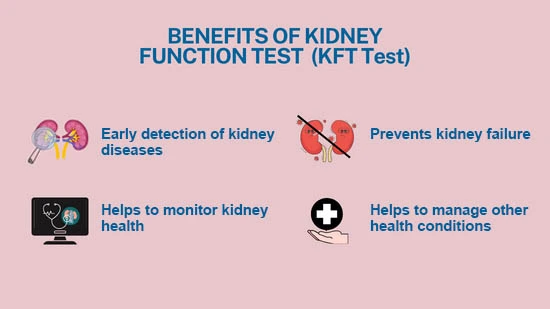
benefits of kft test

  • The test helps to know the impact of the ongoing treatment of kidneys.
  • To assess the symptoms that could cause a kidney disease such as hypertension, high BP, urinary tract infection, frequent urination, etc.
  • Early stage checkup helps to control the development of a probable kidney disease.
 

Who is eligible for the test?

Individuals can get the KFT test done as a routine health checkup to know the health of their kidneys. It also helps in understanding the symptoms that are responsible for causing kidney damage and diseases. Some health issues such as diabetes, hypertension, difficulty in urination, frequent urination, etc. must be taken into consideration to get a Kidney function test done in time.


What is KFT Test Price?

Kidney disease is a serious and life-threatening health issue and is also a common occurrence. It is chosen by many individuals as a routine health test and to avoid spending lakhs on surgeries and treatments. Keeping all these factors in mind, the KFT Test price is Rs- 880, which is a budget-friendly price and includes taxes.


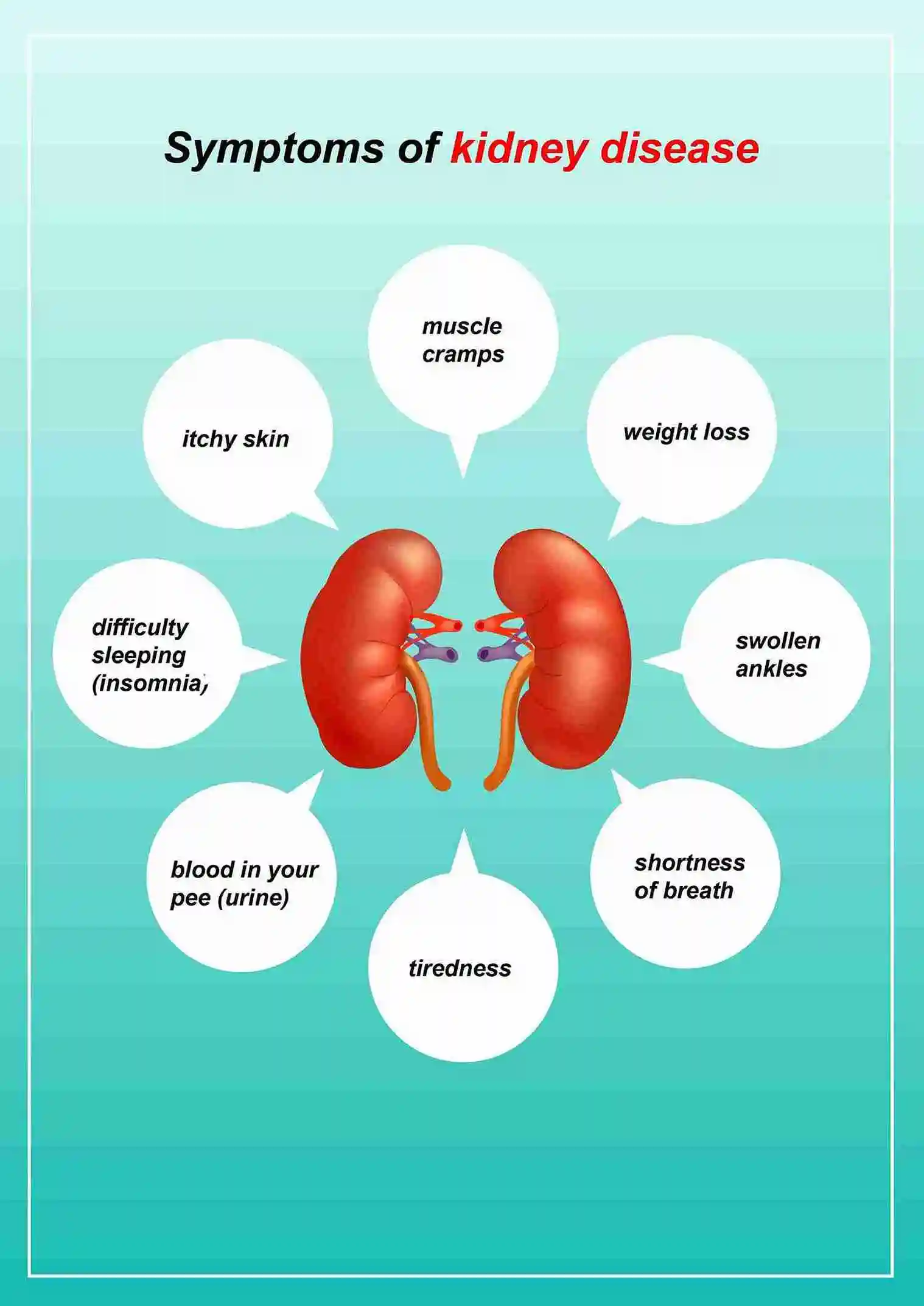
symptoms of kidney disease

What are the symptoms that signify the need for Kidney Function Test

KFT Test should be done by an individual who is experiencing the following symptoms:

  • Frequent urination
  • Obesity
  • Fatigue
  • Weakness
  • Loss of appetite
  • Muscle cramps
  • Dry skin
  • Puffy eyes

What tests are included in the KFT Test?

The different parameters included in the Kidney Function Test are as follows:

What is measured in the Kidney Function Test?

The Kidney Function Test includes testing parameters such as:

  • Complete blood count
  • Uric acid
  • Phosphate
  • Fasting blood sugar
  • Calcium
  • Bicarbonate
  • Proteins
  • Creatinine


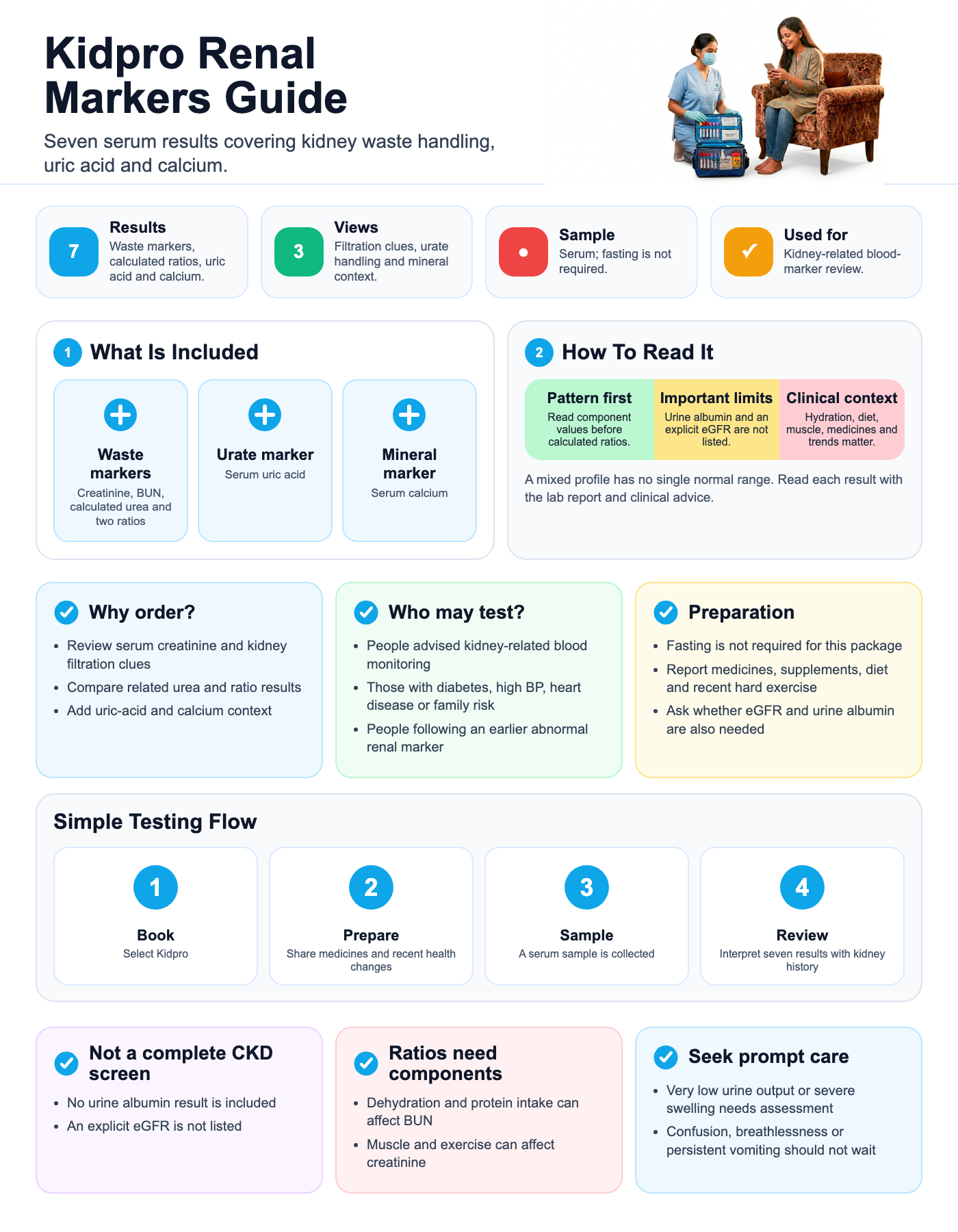
Profile visual guide

Tap the guide to enlarge it and read every detail.

Kidpro visual guide
Visual guide
100%

Pinch with two fingers to zoom. Swipe to explore, or use + and −.

Kidpro visual guide

Kidpro Renal Markers Reference Guide

  • Kidpro combines seven serum results related to waste handling, uric acid and calcium.
  • Five results overlap around urea, BUN, creatinine and their calculated ratios.
  • Uric acid adds gout and stone context, while calcium adds a mineral marker.
  • The package does not list urine albumin, electrolytes or an explicit eGFR result.
  • A clinician should read the pattern with symptoms, medicines, hydration and previous reports.

Why This Test Is Ordered

Use creatinine as a starting filtration clue
  • Creatinine is a muscle-related waste product that healthy kidneys remove from blood.
  • Reduced filtration can raise creatinine, but one value cannot identify the cause.
  • Age, muscle mass, meat intake and recent hard exercise can influence the result.
  • Dehydration, acute illness and selected medicines can also change serum creatinine.
  • Clinicians commonly combine stable creatinine with personal details to estimate GFR.
  • An explicit eGFR result is not listed among the seven Kidpro results.
  • Ask whether eGFR is reported separately and suitable for the current clinical situation.
Understand BUN and calculated urea
  • BUN measures the nitrogen portion of urea formed during normal protein breakdown.
  • Calculated urea expresses closely related information rather than another kidney function.
  • Reduced kidney clearance can raise BUN, but the finding is not disease-specific.
  • Dehydration, high protein intake and gastrointestinal bleeding may also increase BUN.
  • Some medicines and illnesses can change BUN without directly damaging the kidneys.
  • Low values may occur with low protein intake, malnutrition or liver-related conditions.
  • BUN becomes more useful when reviewed beside creatinine, symptoms and recent health changes.
  • A single unusual result may need confirmation after temporary influences are considered.
Read the two calculated ratios carefully
  • Both ratios are calculated from component results already present in the package.
  • They describe balance between urea-related measurements and creatinine, not separate organ functions.
  • A high ratio may reflect a changed numerator, denominator or both components.
  • Neither ratio can confirm dehydration, internal bleeding or kidney disease by itself.
  • Review BUN, urea and creatinine values before drawing meaning from either ratio.
  • Check the report units because laboratory calculations and conventions may differ.
  • Trend a ratio only alongside its component results and the clinical reason for testing.
Add uric acid, gout and stone context
  • Uric acid forms when the body breaks down purines from cells and food.
  • Kidneys remove much of this waste, although production and removal both affect levels.
  • High uric acid can accompany gout or uric-acid stones without proving either condition.
  • Many people with raised serum urate never develop gout or kidney stones.
  • Joint symptoms, examination and sometimes fluid testing guide a gout diagnosis.
  • A blood uric-acid result cannot identify the composition or location of a stone.
  • Diet, alcohol, diuretics, cancer treatment and metabolic health can influence the value.
Place calcium in a wider mineral picture
  • Most body calcium is stored in bone, while blood calcium supports essential cell functions.
  • Total calcium includes protein-bound and free calcium circulating in the blood.
  • Albumin levels can affect total calcium without changing the active ionised fraction.
  • Kidney, parathyroid, thyroid, bone and vitamin D conditions may alter calcium.
  • Medicines and supplements can also influence a serum calcium result.
  • Kidpro does not list albumin, phosphate, magnesium, vitamin D or parathyroid hormone.
  • Calcium adds mineral context but does not directly measure kidney filtration.
  • An abnormal calcium result cannot confirm a kidney stone or explain its cause.

Symptoms And Who Should Test

People with diabetes, hypertension or heart disease
  • Diabetes and high blood pressure are major settings for chronic kidney disease risk.
  • Heart and kidney disease can overlap, so clinicians may monitor both systems.
  • Early chronic kidney disease may cause no noticeable symptoms.
  • Kidpro provides serum markers but does not list urine albumin testing.
  • An explicit eGFR result is also absent from the listed package composition.
  • Guideline-based kidney assessment commonly combines eGFR with urine albumin-to-creatinine ratio.
  • Testing frequency should reflect diagnosis, age, medicines and previous kidney results.
  • A normal creatinine does not replace urine albumin testing when clinically indicated.
People with family history or earlier kidney problems
  • A family history of kidney failure can justify a personalised risk discussion.
  • Previous kidney injury, stones or urinary blockage may also prompt follow-up testing.
  • Earlier abnormal creatinine results are easier to assess when old reports are available.
  • Blood markers cannot show kidney size, cysts, obstruction or stone location.
  • Kidpro does not include urinalysis, urine albumin, electrolytes or imaging.
  • A clinician may add targeted blood, urine or imaging tests after reviewing history.
  • Personal trends often provide more context than one comparison with a reference interval.
  • A sudden marker change deserves faster assessment than a stable, mildly unusual value.
People with swelling or changed urination
  • Changed urination, foamy urine or blood in urine may prompt kidney assessment.
  • Swelling around the eyes or ankles can occur in kidney and non-kidney conditions.
  • Persistent fatigue, itching, cramps or nausea are important but non-specific symptoms.
  • Creatinine and BUN may add clues without identifying the symptom cause.
  • Urinalysis, urine albumin, electrolytes and examination may still be necessary.
  • Normal-looking urine does not exclude albumin leakage or early kidney damage.
  • Very low urine output, breathlessness or rapidly worsening swelling needs prompt care.
  • Confusion, severe weakness or repeated vomiting should not wait for a routine report.
People with gout, stones or urate concerns
  • Clinicians may review uric acid when gout symptoms or earlier urate stones are present.
  • Selected cancer treatments and medicines such as diuretics can also affect uric acid.
  • Kidpro places uric acid beside several serum kidney-related waste markers.
  • The package does not include joint-fluid crystal analysis or stone composition testing.
  • One high uric-acid result should not trigger self-started urate-lowering treatment.
  • Sudden severe joint pain, redness and warmth need clinical assessment.
  • Side pain with fever, vomiting or inability to urinate needs urgent assessment.
  • Possible infection or urinary obstruction requires more than a routine blood package.
People monitoring treatment or earlier results
  • Markers may be repeated after illness, dehydration, treatment or a medicine change.
  • Record the testing reason, date, medicines, supplements and recent health changes.
  • Creatinine trends can matter even when both results remain inside the stated range.
  • Small fluctuations may reflect ordinary biological or laboratory variation.
  • Calculated ratios should always be trended beside their component measurements.
  • Known kidney disease monitoring commonly includes eGFR, urine albumin and blood pressure.
  • Selected electrolytes or other chemistry may be added according to the condition.
  • Repeat timing should follow a clinical plan with a clear monitoring question.

Preparation And Interpretation Notes

Follow the correct collection instructions
  • Fasting is not required for the seven results listed in Kidpro.
  • Follow the stricter instruction if another booked test requires fasting.
  • A trained professional collects blood from a vein and prepares serum.
  • Maintain normal hydration unless a clinician has given different advice.
  • Do not overdrink water or prolong fasting to alter BUN or creatinine.
  • Minor discomfort or bruising can follow a routine venous blood draw.
  • Tell the collector about fainting, difficult blood draws or blood-thinning medicines.
  • Check preparation separately before applying Kidpro instructions to another test.
Report medicines and supplements
  • List prescription medicines, over-the-counter products and supplements before interpretation.
  • Mention diuretics, blood-pressure medicines, anti-inflammatory painkillers and gout treatments.
  • Report creatine, protein, calcium, vitamin D, herbal and bodybuilding supplements.
  • Some products affect hydration, kidney blood flow, uric acid or calcium.
  • Creatine products and recent exercise can complicate creatinine interpretation.
  • Do not stop prescribed treatment unless the treating clinician advises it.
  • Record dose changes, missed doses and the timing of any suspected side effect.
  • The reviewer should know whether testing occurred during the usual treatment routine.
Share recent diet, exercise and illness
  • A meat-heavy meal, protein intake or creatine use can influence some results.
  • Intense exercise or muscle injury may temporarily affect serum creatinine.
  • Dehydration, fever, vomiting or diarrhoea can change BUN and creatinine.
  • Alcohol and purine-rich intake may influence serum uric acid.
  • These factors provide context and do not automatically invalidate the sample.
  • Maintain ordinary habits unless the clinician gives specific preparation advice.
  • Avoid an unusual hard workout before a planned baseline comparison.
  • Seek medical advice if acute illness prevents normal fluid intake.
Interpret calcium with related tests
  • Kidpro reports total serum calcium without albumin or ionised calcium.
  • Blood proteins can influence total calcium without matching the active calcium fraction.
  • An unexpected result may need albumin-aware interpretation or ionised calcium testing.
  • Clinicians may add phosphate, magnesium, vitamin D or parathyroid hormone.
  • Report calcium and vitamin D supplements before the result is reviewed.
  • Mention known parathyroid, thyroid, bone or kidney conditions.
  • Tingling, muscle spasms, severe weakness or confusion require timely assessment.
  • Do not self-correct a flagged value with large supplement doses.
Review ranges, trends and package limits
  • Use the current report units because these seven results use different measurements.
  • Read the five related waste rows as one pattern, not five diseases.
  • Compare results with earlier reports from the same laboratory when possible.
  • Ask whether serum creatinine generated an eGFR result elsewhere on the report.
  • Ask whether urine albumin-to-creatinine ratio is needed for kidney assessment.
  • Kidpro does not list electrolytes, urine testing or diagnostic imaging.
  • A clinician may repeat a result or add a more targeted test.
  • Do not diagnose kidney failure, gout or stones from this package alone.

Frequently Asked Questions

What does Kidpro include?

It includes seven serum results covering creatinine, urea, ratios, uric acid and calcium.

Is fasting required for Kidpro?

No; fasting is not required unless another test in the booking needs it.

Does Kidpro include eGFR?

An explicit eGFR is not listed, so ask whether it is reported or needed separately.

Does Kidpro include a urine albumin test?

No; urine albumin-to-creatinine ratio is not included in the listed package.

Can creatinine alone diagnose kidney disease?

No; eGFR, urine albumin, trends and clinical context may also be needed.

Why are both BUN and urea reported?

They express related protein-waste information in different forms.

Can dehydration affect Kidpro results?

Yes; dehydration can influence BUN, creatinine and their calculated ratios.

Can high uric acid confirm gout?

No; gout diagnosis requires symptoms and sometimes joint-fluid assessment.

Can I book home collection?

Home collection is available where the entered address is serviceable.

When should Kidpro be repeated?

Repeat timing depends on symptoms, baseline, medicines and the clinician’s plan.

Who should review my Kidpro report?

A clinician should interpret the pattern with kidney history and related tests.

Why Choose Thyrocare for Kidpro

Get tested for Kidpro at fully automated diagnostic laboratory Thyrocare which has Centralized Processing Lab (CPL)
for esoteric tests and Regional Processing Labs in major cities of India.

Home Based Diagnostics

Home Based & Quality Diagnostics
at an Unbeatable Price


Carefully designed Panels to provide you with the most vital information for your health.

Convenient Home Based

Affordable — Book Online

Certified Labs — NABL, CAP, ISO

Graphical Reports Online

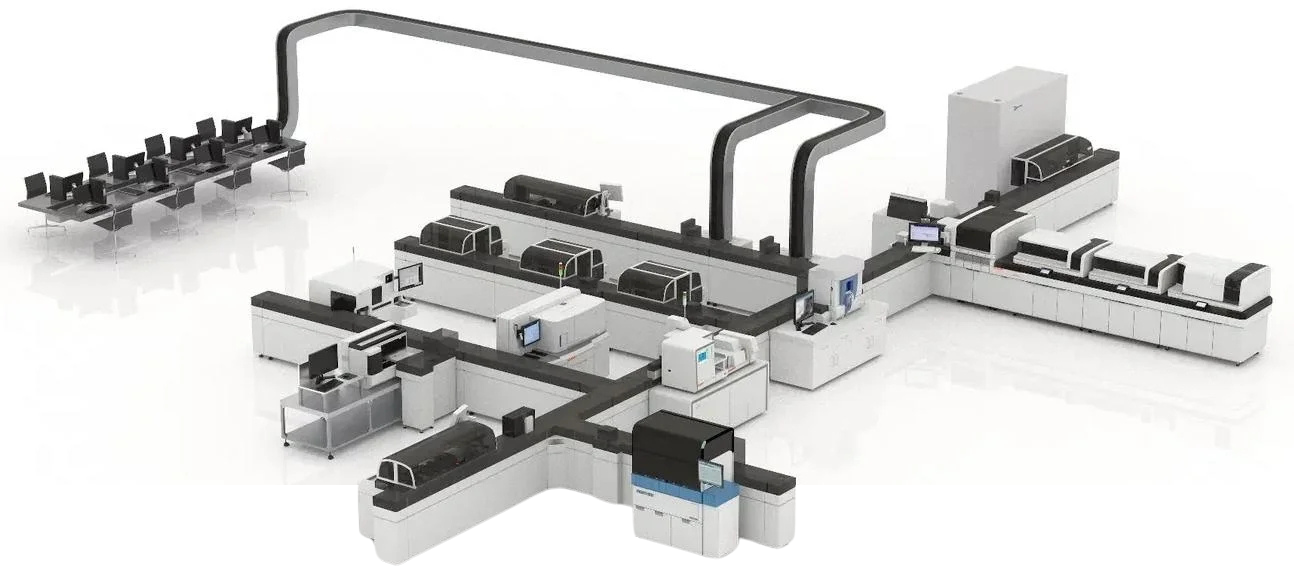
Laboratory technology

Thyrocare Technologies Limited has huge set up covering over 2 Lakh sq. ft. floor area ensures zero error processing if approx 50 thousand
specimens and over 3 lakh Clinical investigations per day is the right choice for your Kidpro testing.

Aptio™ Automation

Aptio Automation

Service for Kidpro test is available in all the major cities across India including Delhi, Pune, Kolkata, Chennai, Ghaziabad, Noida, Bangalore, Mumbai, Hyderabad, Gurgaon, Ludhiana, Cuttack, Coimbatore, Lucknow, Chandigarh, Bhopal, Nagpur, Gwalior, Amritsar, Indore, Jodhpur, Allahabad, Madurai, Guwahati, Ahmedabad, and 200 more tier 2 cities.


In order to maintain the proper functioning of the kidneys, routine checkups are necessary. Kidneys help in detoxifying the blood by removing waste and toxins, maintains the balance of fluids in the blood, produces urine, and regulates minerals in the blood. There are many other important functions of the kidneys and therefore maintaining them is a key to good health and undisturbed daily life.

For this purpose, creating a routine of a regular checkup is essential to keep a check on the health of these important organs. If you are suffering from any symptoms related to kidney problems, kidney function test is your answer for that. When it comes to your kidneys and overall health, precaution is better than cure.